In south-east Perth, 54 reasons is answering that question every day – working alongside children and young people who have experienced family and domestic violence, and creating spaces where they can make sense of what’s happened, reconnect with themselves, and begin to heal.
For too long, services in the family violence space have centred adults, with children’s experiences often sitting in the background. This program shifts that lens, recognising that children experience violence in their own ways, and that their recovery needs to be shaped around them. The Western Australian Government is backing the idea as well – establishing the System Reform Plan, which treats children as victim-survivors of family and domestic violence in their own right, and ensures more support services will be tailored to the specific needs of children and young people.
Letting children lead
In practice, child-centred care doesn’t follow a neat or predictable path.

That flexibility is intentional. Each session is shaped around the child – how they arrive, what they feel ready for, and what helps them feel safe. Sometimes, that means meeting them exactly where they are, whether they’re quiet and withdrawn or “Really big and loud,” as Cassie puts it.
And it’s up to the practitioners to notice the subtleties in each child’s presentation to know how to move forward, and to proactively ask the children what would make them feel more comfortable.
“One young person said, ‘I like dinosaurs, can you get dinosaurs?’” Cassie recalls. “I said to him, ‘this is your space and what you say goes’. So I went to Big W and got dinosaurs. That responsiveness lets the child know ‘I hear you, you’re valued and what you say matters.’”
Building safety
Safety is the foundation of this work, but it must be understood through a child’s eyes.
That perspective shapes how practitioners respond to distress. Rather than standing back, they move gently towards it.
“It’s about scooping up and nurturing the distress,” says Cassie. “So when a big emotion arrives, it's about being beside it and not being scared of it – not moving away from it but moving towards it. That’s where safety deepens with children, because they trust that you can receive them and receive whatever they have to bring.”
This approach is grounded in trauma-informed practice. Practitioners pay close attention to each child’s emotional and physiological state, supporting them to regulate through techniques like breathing, play and sensory activities.
“We’re always checking: are they in fight, flight, freeze or fawn?” Khadija explains. “And if so, how do we help them come back to a regulated, safe place?”
Meeting children where they are
Talking about difficult experiences requires care, honesty and timing.
“Sometimes acknowledging the horrors they’ve been through gives children permission to feel differently about it or permission to even acknowledge it happened instead of suppressing it and masking it,” says Cassie. “To know they deserve respect, and what happened to them wasn’t okay.”
But those conversations are always led by the child.
“They can opt out, not answer, or say, ‘We’re not doing that today,’” says Khadija. “And we honour that.”
Beyond the therapy room
Practitioners also work closely with parents and caregivers, helping create a consistent environment where children feel supported both in and beyond sessions.
Unlike traditional clinic-based models, this service is embedded in schools and community settings – places where children already feel a sense of belonging.
“We are part of that ecosystem,” says Khadija. “It doesn’t feel unfamiliar or clinical.”
Therapeutic approaches are equally adaptable. Play, storytelling, art and movement all become ways for children to express experiences that might be hard to put into words.
"Play is children’s language,” Cassie explains. “It helps regulate their nervous system and introduces calm, introduces new emotions, and new neural pathways.”
Mariam adds, “Through storytelling and role play, children can explore what’s happened and what they want to see change.”
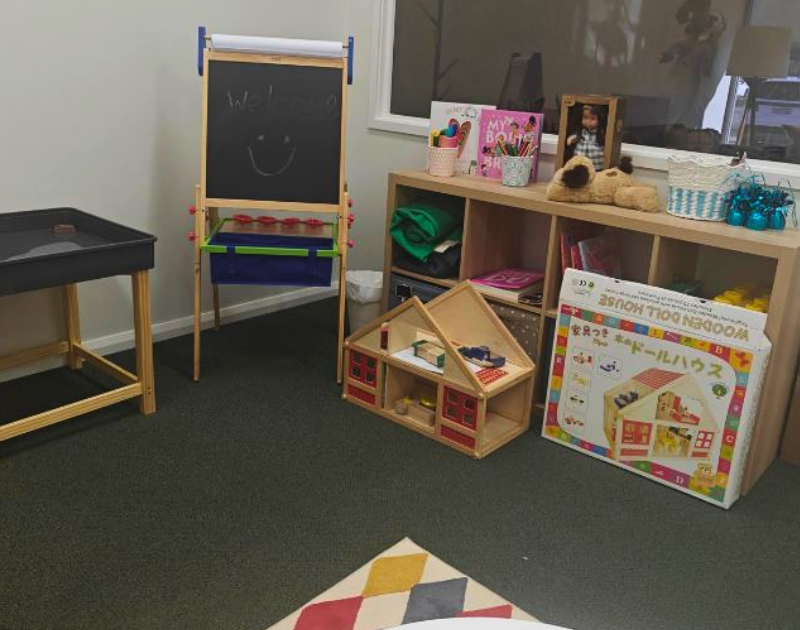
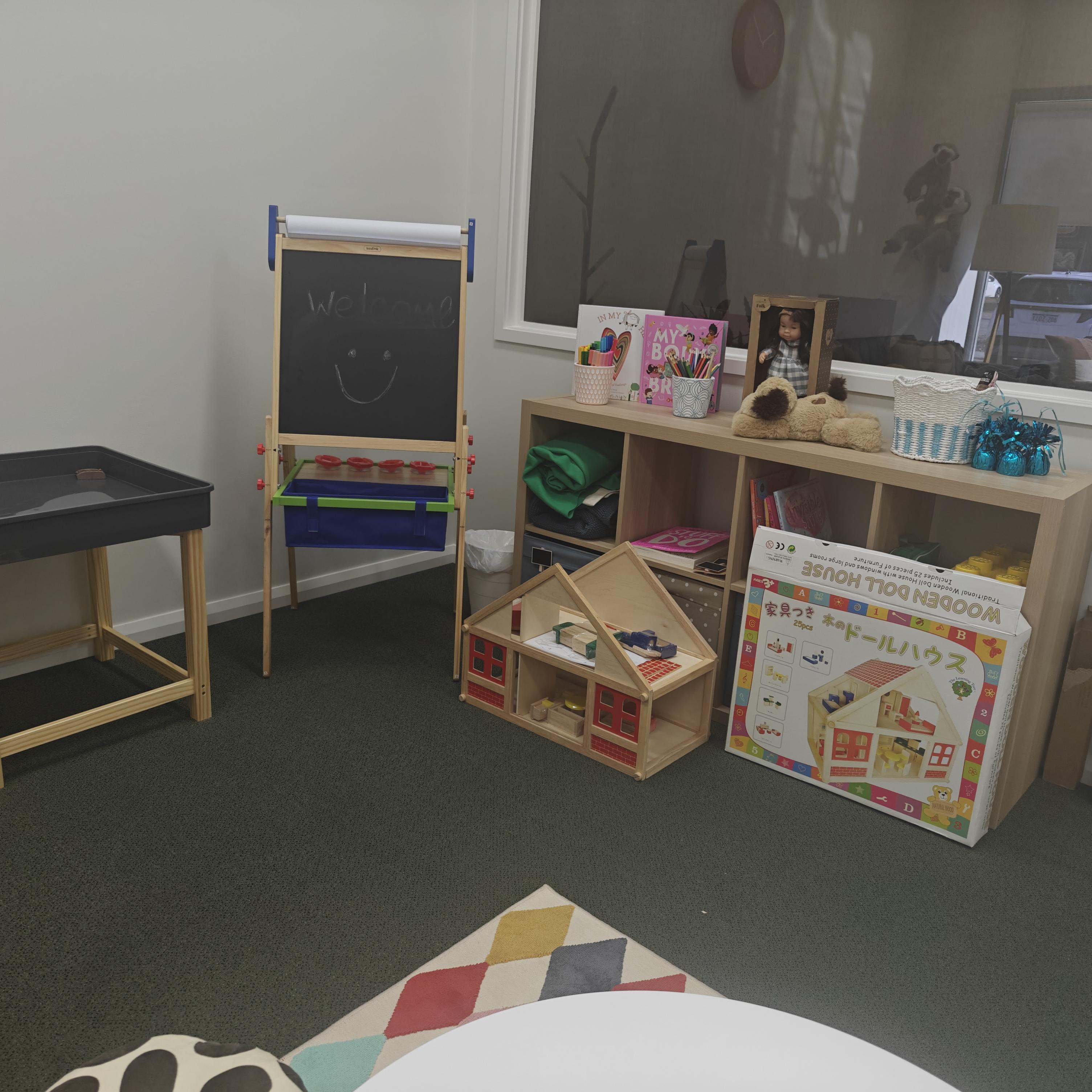
“The room is a therapeutic tool,” says Cassie. “It’s predictable, it’s safe, and it’s owned by them. It’s about creating a safe, accessible and welcoming space that really regulates and calms their nervous system when they're in it.”
A quiet, powerful impact
For the practitioners, the impact of the work is both profound and deeply human.
“I think some children forget what it is to be a child,” Mariam reflects. “Having that space and helping them remember how to just be a child… sometimes it’s like a revelation to them.”
Khadija agrees: “They get to walk out of that session feeling a sense of relief that they were able to share something and have their feelings validated and space held for them. So for me, it's very fulfilling to work with the kids.”
As Cassie puts it, “It's such an honour to be trusted with children. To be with them when they experience joy for probably the first time in a while … that's a real privilege.”
Through a child-centred, compassionate approach, this service is helping children feel safe enough to be themselves, and supported enough to begin moving forward.
Listen now